

The Impact of Weather on Towing: How We Handle Snow, Rain, and Heat
The Impact of Weather on Towing: How We Handle Snow, Rain, and Heat

Isn’t it a coincidence that just as you’re thinking of the challenges weather poses for towing, you’re faced with an unexpected snowstorm or a sudden downpour? You might wonder how towing professionals manage these tricky situations while ensuring both safety and efficiency. Snow, rain, and heat each bring their unique set of obstacles, from slippery roads to overheating engines. So, how do they prepare their equipment and themselves for these unpredictable conditions? Let’s explore the strategies and tools that transform daunting weather into manageable tasks, ensuring every tow is as seamless as possible.
Challenges of Towing in Snow
Towing in snow presents unique challenges that require careful planning and execution to ensure safety and efficiency. When you’re out in winter conditions, you’re faced with reduced visibility and slippery roads, which make winter driving particularly hazardous. It’s crucial to anticipate these challenges and adjust your towing methods accordingly. Always check the weather forecast before heading out, and if snow is expected, plan your route to avoid steep hills and roads that are difficult to navigate.
Ensuring your vehicle is well-prepared for the conditions is paramount. Make sure your tires are suitable for winter driving, providing the necessary grip on icy roads. You should also confirm that your towing equipment is in excellent condition. Regular maintenance checks will help you avoid unexpected breakdowns in harsh weather.
Snow removal is another critical consideration. Keep a snow shovel in your vehicle, and clear any snow from your car and trailer before you set off. This not only improves your visibility but also reduces the weight your vehicle has to haul, making towing more manageable. By taking these proactive measures, you can safely navigate the challenges of towing in snow.
Essential Snow Gear for Towing
When you’re preparing for winter towing, having the right snow gear is non-negotiable to ensure your safety and efficiency on the road. Start by equipping your vehicle with snow chains. They provide the traction you need on icy and snow-packed roads, preventing skids and ensuring you maintain control of your tow. It’s crucial to choose chains that fit your tires properly and practice installing them before the first snowstorm hits. This preparation saves you time and stress when conditions are less than ideal.
In addition to snow chains, consider using tire socks as an alternative or supplement, especially if you’re towing in areas with varying snow depths. Tire socks are fabric-based traction devices that are easy to put on and take off, offering a practical solution for moderate snow conditions. They’re lightweight and can be stored conveniently in your vehicle, making them a versatile choice for unexpected weather changes.
Navigating Rainy Conditions Safely
While winter towing demands specific gear for snow and ice, wet conditions present their own set of challenges that require careful preparation. When towing in the rain, wet road hazards increase significantly, and you must take safety precautions to ensure a smooth journey. First, reduce your speed. Wet roads reduce tire traction, making it easier to lose control. Maintain a safe distance from other vehicles to allow ample time for any sudden stops.
Hydroplaning risks are a major concern on rainy days. To minimize these risks, regularly check your tire tread and pressure. Properly inflated tires with good tread can help prevent hydroplaning. If you find yourself hydroplaning, remain calm, ease off the accelerator, and steer straight until you regain control. Don’t make sudden turns or brake abruptly, as this can worsen the situation.
Visibility is another factor to manage; ensure your windshield wipers are in good condition and your lights are functioning properly. Use your headlights to increase your visibility to other drivers. Stay focused and avoid distractions, keeping both hands on the wheel. By taking these precautions, you’ll navigate rainy conditions safely, protecting yourself and your cargo.
Rain-Related Towing Equipment
Equipping your vehicle with rain-specific towing gear is essential for maintaining safety and control. When the skies open up, you’ll want to ensure that everything you’re towing remains secure and dry. Start by using waterproof tarps. These are not just ordinary covers; they’re specifically designed to keep your towed items dry during heavy rain. Secure your tarp tightly over the load, ensuring no rainwater seeps in. Properly positioned, it acts as a shield, protecting your cargo from water damage and maintaining its integrity.
Next, consider installing rain guards on your towing vehicle. These guards help to divert rain away from critical areas, reducing the risk of water-related issues. They keep your windshield clearer by minimizing the amount of rain hitting it directly, enhancing visibility and safety. This is crucial when towing, as rain can obscure your view of both the road and your load.
Coping With Extreme Heat
Extreme heat poses unique challenges for towing, but with the right precautions, you can ensure a safe journey. First, focus on your vehicle’s cooling techniques. Keep an eye on the engine temperature gauge, especially when hauling heavy loads. If it starts to rise, pull over safely and let the engine cool down. You should also check the coolant levels regularly and top them off as needed. Make sure the radiator is clean and not blocked by debris, which can trap heat and lead to overheating.
Next, prioritize your own well-being with effective hydration tips. Always carry enough water with you. Dehydration can sneak up on you, especially when you’re focused on the road. Drinking water regularly, even if you’re not thirsty, will help prevent fatigue and maintain your alertness. Wearing light, breathable clothing can also help keep your body temperature in check.
Heat-Proof Towing Strategies
As you prepare for towing in scorching temperatures, adopting heat-proof strategies becomes vital. Ensuring your vehicle’s cooling systems are in top condition can prevent overheating and keep your towing operation running smoothly. Begin by inspecting your radiator, coolant levels, and hoses for any signs of wear or leaks. A well-maintained cooling system is your best defense against the stress extreme heat places on your engine.
Next, consider the benefits of vehicle insulation. Proper insulation helps maintain optimal temperatures inside your vehicle, protecting both your equipment and cargo from the intense heat. Insulating materials in the cab and cargo areas can reduce the strain on your air conditioning system, enhancing comfort and efficiency.
Monitor tire pressure regularly, as heat can cause air expansion, increasing the risk of blowouts. Check your brakes too, as they can overheat during towing, leading to reduced performance. Ensure your towing vehicle is equipped with heat-resistant brake pads and that they’re in good working order.
Training for Weather-Related Towing
When it comes to towing safely in various weather conditions, thorough training is your best ally. You need to be prepared for any situation that might arise, whether it’s snow, rain, or extreme heat. Being well-versed in emergency response techniques ensures you’re ready to act quickly and efficiently. In adverse weather, every second counts, so knowing how to handle your equipment and manage challenging road conditions can make all the difference.
Understanding weather forecasting is also crucial for towing operations. Staying informed about impending weather changes allows you to anticipate potential issues and plan your routes accordingly. This proactive approach minimizes risks and helps you avoid dangerous situations. In your training, you should focus on reading forecasts accurately and adapting your towing strategy to align with the predicted conditions.
Hands-on practice is essential. Simulate towing scenarios under different weather conditions to build confidence and improve your skills. The more experience you gain, the better prepared you’ll be to handle real-life situations. Remember, safety should always be your top priority. By investing in comprehensive training, you ensure you’re equipped to tackle any weather-related challenges you might face on the road.
Technology’s Role in Weather Towing
While training provides the foundation for handling diverse weather conditions, technology offers invaluable support to enhance your towing capabilities. Imagine knowing about a snowstorm or heavy rain well in advance. With precise weather prediction tools, you can anticipate adverse conditions and prepare your towing operations accordingly. This foresight helps in planning your routes efficiently, ensuring you’re ready to face the elements.
In emergency response situations, technology becomes a crucial ally. GPS tracking equips you to navigate safely through inclement weather, directing you to the most efficient routes while avoiding hazards. Real-time traffic updates and mapping systems help you make quick decisions, minimizing the time spent in potentially dangerous conditions.
Moreover, modern towing vehicles often come with advanced braking systems and traction control, which are essential for maintaining stability on slippery roads. These technological advances don’t just make your job easier—they significantly enhance safety for both you and those you’re assisting.
Key Takeaways
- Utilize snow chains or tire socks to enhance traction when towing in snowy conditions.
- Use waterproof tarps and rain guards to protect equipment during rainy weather.
- Monitor engine temperature and coolant levels to prevent overheating in extreme heat.
- Plan routes with GPS tracking and weather prediction tools to avoid hazardous conditions.
- Reduce speed and wear appropriate clothing for safety in wet or hot weather.
Frequently Asked Questions
How Does Weather Impact the Scheduling of Towing Services?
When scheduling towing services, you must consider how weather affects response times and safety measures. In adverse conditions, response times can increase due to road hazards and traffic delays. You need to prioritize safety measures, like equipping trucks with the right gear and ensuring drivers are trained for various weather scenarios. By anticipating these challenges, you can maintain efficient services and ensure the safety of both drivers and customers.
Are There Any Insurance Considerations for Towing in Adverse Weather?
When you’re towing in adverse weather, insurance coverage becomes essential. You’ve got to check your policy for specifics about coverage during snow, rain, or extreme heat. Safety precautions are crucial, too. Make sure you’re following all guidelines to minimize risks. Some insurers might require additional measures for coverage to be valid, so don’t skip those steps. Being prepared ensures you’re protected and can handle unexpected situations confidently.
How Do Towing Companies Communicate Weather-Related Delays to Customers?
As a customer, you’ll receive timely notifications from towing companies regarding any weather-related delays. They prioritize safety, keeping you informed through real-time weather updates via text, email, or phone calls. Experienced dispatchers assess conditions, ensuring you know exactly when to expect assistance. This proactive approach helps manage expectations and maintain safety for both you and the towing crew, ensuring a smoother resolution to your roadside situation.
What Is the Impact of Extreme Weather on Towing Service Costs?
So, you think towing during a blizzard or hurricane would come cheap? Think again. Extreme weather hikes up towing costs due to increased safety precautions and cost factors like equipment wear and staff overtime. You’ve got to balance your wallet against the need to stay safe. Towing companies, like cautious knights, charge more to protect both their brave drivers and your precious vehicle, battling nature’s wild tantrums with every call.
How Do Towing Services Prioritize Requests During Severe Weather Events?
When severe weather hits, you’ll notice towing services prioritize requests by assessing response times and customer safety. They focus first on high-risk situations, like stranded vehicles in dangerous locations. Dispatchers evaluate each call’s urgency, ensuring they allocate resources effectively. It’s all about balancing speed and safety, so you stay secure while they work efficiently. They might also use technology to track conditions, adjusting priorities as weather changes, ensuring the best possible service.
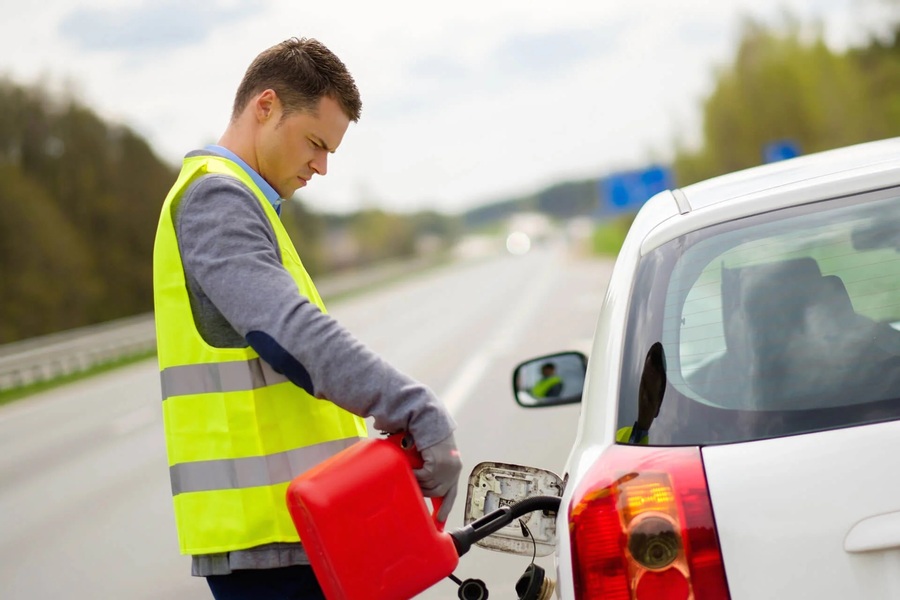
Fuel Delivery Services: What to Do When You Run Out of Gas
Running out of gas doesn’t discriminate—it can happen to anyone, from seasoned road warriors to casual weekend drivers. It’s that sinking feeling as your car sputters to a halt, and the gas gauge confirms your worst suspicion. But here’s the good news: it’s not the...
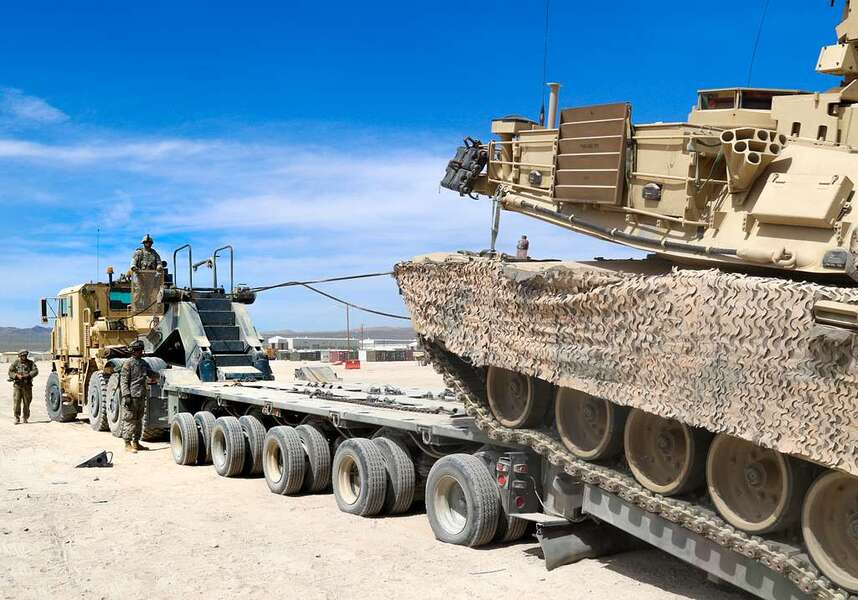
How Tow Truck Salt Lake Supports Local Law Enforcement
Behind every cleared accident scene, every recovered vehicle, and every restored traffic flow lies a team of professionals dedicated to public safety. While law enforcement officers handle the critical aspects of protection and investigation, Tow Truck Salt Lake steps...
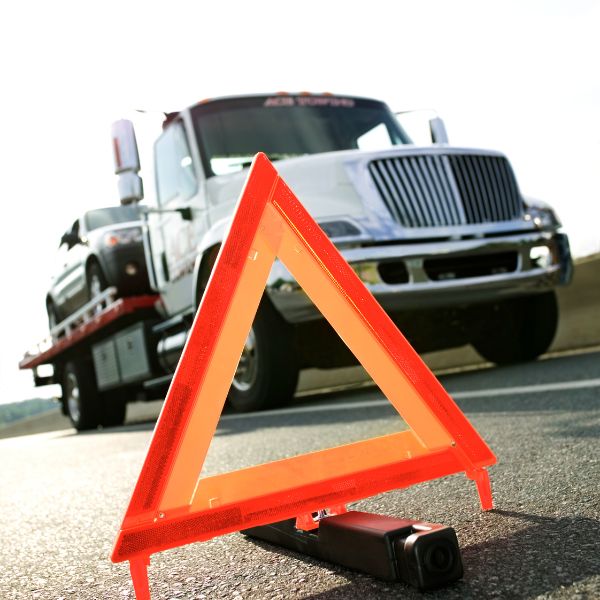
The Importance of Roadside Safety Kits: Be Ready for Anything
Roadside emergencies don’t send invitations. A flat tire, a dead battery, or even a sudden breakdown can derail your plans in the blink of an eye. While nobody expects these moments, being prepared for them can make all the difference. That’s where a roadside safety...

Avoiding Towing Nightmares: Tips for Stress-Free Towing Services
Few things are as disruptive as needing a tow. Whether it’s a flat tire, an overheated engine, or an accident that leaves your vehicle undriveable, these situations can turn a good day sour in seconds. However, towing doesn’t have to be a stressful ordeal. With the...
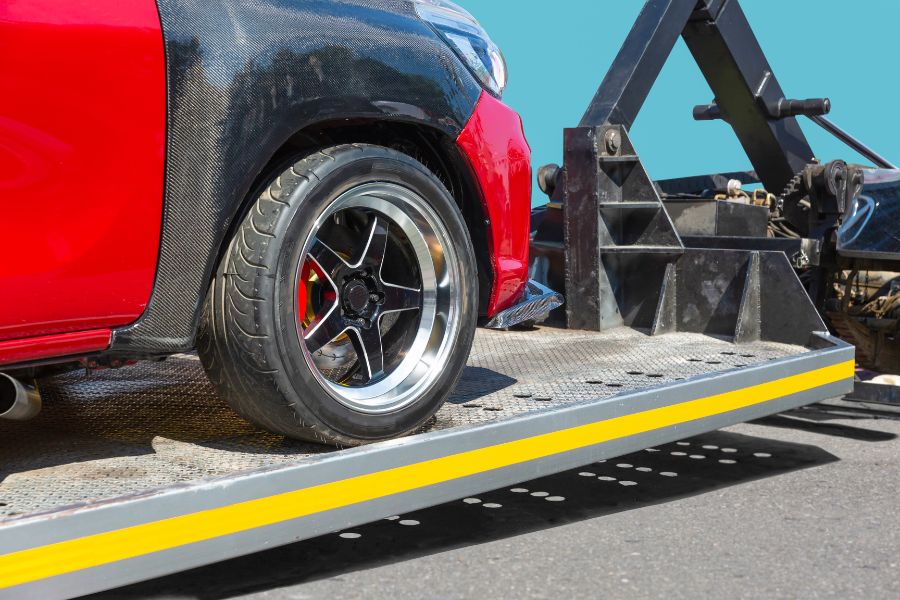
The Benefits of Flatbed Towing for Your Vehicle
Getting your car towed isn’t something anyone eagerly plans for, but when the situation arises, choosing the right towing method can make all the difference. Flatbed towing is the gold standard for vehicle transport, offering unparalleled safety, versatility, and...