

Car Battery Dead? Here’s What You Need to Know About Jump Start Services
Car Battery Dead? Here’s What You Need to Know About Jump Start Services
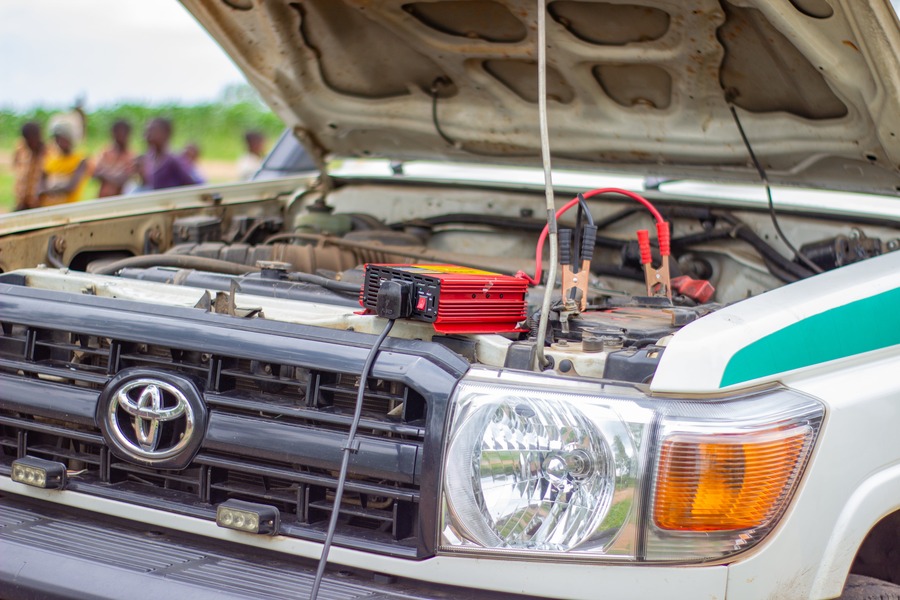
Ever wondered if jump start services are really the best solution for a dead car battery? You’re not alone in considering whether these services provide a quick fix or if there’s more you should know. While jumper cables and a helping hand might get you back on the road, understanding the right tools and safety precautions can make all the difference. If you’re curious about what happens when the usual tricks don’t work, or when it’s time to call in a professional, there’s more to uncover about ensuring your car’s reliability.
Causes of a Dead Battery
In the realm of vehicle maintenance, understanding the causes of a dead battery is essential. Batteries fail for several reasons, with common causes being the most preventable. Frequent short trips can keep your battery from fully charging, leading to gradual depletion. Leaving lights or electronics on when the engine’s off drains the battery faster than you’d think. Extreme temperatures, both hot and cold, can also affect your battery’s ability to hold a charge. Corroded or loose battery connections disrupt power flow and diminish battery efficiency.
To prevent these problems, focus on a few key maintenance habits. Ensure you drive your car regularly for sufficient distances to allow the alternator to recharge the battery fully. Always double-check that lights and electronic devices are turned off when exiting your vehicle. Regularly inspect battery terminals for corrosion; clean them with a mixture of baking soda and water if needed. During extreme weather conditions, consider additional measures like battery insulators to protect against temperature fluctuations. Keeping these prevention tips in mind not only extends your battery’s life but also saves you time and inconvenience, leading to a more reliable vehicle performance.
Basics of Jump Starting
Understanding the causes of a dead battery lays the groundwork for knowing how to jump start your vehicle effectively. A solid grasp of battery maintenance can help prevent future issues, but when faced with a dead battery, jump starting is a practical solution. Begin by ensuring you have a functioning vehicle with a fully charged battery to assist in the jump start. Position the vehicles close enough for the jumper cables to reach, but make sure they’re not touching each other.
Before connecting the cables, turn off both vehicles and remove any metal jewelry to prevent electric shocks. Identify the positive and negative terminals on both batteries. Connect the red (positive) cable to the dead battery’s positive terminal, then attach the other end to the positive terminal of the working battery. Next, connect the black (negative) cable to the working battery’s negative terminal, and finally attach the other end to an unpainted metal surface on the stalled vehicle.
If jump starting isn’t an option, consider alternative solutions such as portable battery chargers or professional services. Regular battery maintenance—cleaning terminals and checking charge levels—can reduce the likelihood of needing a jump start in the future.
Tools You’ll Need
When it comes to jump starting a car, having the right tools on hand is essential. First and foremost, ensure you have a reliable set of jumper cables. These cables should be long enough to connect the two car batteries easily and have thick, well-insulated wires to handle the necessary current safely. The clamps should be robust and corrosion-free to ensure a secure connection. Pay attention to the cable’s gauge rating; a lower number indicates a thicker wire capable of handling higher battery voltage and amperage, which is crucial for an effective jump start.
Additionally, a portable jump starter can be a lifesaver, especially if you’re in a remote area without another vehicle to assist. These devices often come with built-in battery voltage indicators, allowing you to monitor your car’s battery status before and after the jump. This tool offers the convenience of not needing a second car, making it a versatile and valuable addition to your emergency kit.
Step-by-Step Jump Start Guide
Jump starting a car doesn’t have to be daunting if you follow the right steps. First, ensure both vehicles are turned off and the keys removed. Position the cars close enough for the jumper cables to reach each battery but don’t let them touch. Open each hood and locate the batteries. Identify the positive (red) and negative (black) terminals to begin the jump start process.
Connect one red clamp to the dead battery’s positive terminal, then attach the other red clamp to the donor car’s positive terminal. Next, attach the black clamp to the donor car’s negative terminal. Finally, connect the last black clamp to an unpainted metal surface on the dead car, such as a bolt or bracket, for grounding.
Start the donor car and let it run for a few minutes. Then, try starting your car. If it doesn’t start immediately, wait a couple more minutes and try again. Once your car is running, carefully remove the cables in reverse order. To enhance battery maintenance, let your vehicle run for at least 15 to 30 minutes to recharge the battery, or drive it around for a while.
Safety Precautions to Follow
After completing the jump start process, it’s important to prioritize safety to avoid potential hazards. Begin by removing the jumper cables in the reverse order of connection. This sequence minimizes the risk of sparks near the battery, ensuring that your vehicle and those around it remain safe. Always wear safety gloves and goggles as a precaution against acid leaks or battery explosions.
Implementing preventive maintenance is crucial to keep your car’s battery in optimal condition. Regularly inspect battery terminals for corrosion, which can impede electrical flow. Use a wire brush to clean any buildup, and apply a protective spray to prevent future issues. Checking your battery’s water level is another safety measure; if it’s low, refill with distilled water to maintain proper function.
Be mindful of signs indicating a failing battery, such as dim headlights or slow engine crank. Addressing these warnings early can prevent sudden breakdowns. Additionally, ensure your battery is secured in its tray to avoid damage from vibrations. Lastly, never ignore unusual smells, like rotten eggs, which could indicate a leaking battery. By following these safety measures, you enhance both vehicle reliability and personal safety.
When to Call a Professional
Sometimes, the best course of action is to call a professional for jump-start services. While DIY troubleshooting might seem appealing, certain scenarios demand expert intervention. If your battery frequently dies or refuses to hold a charge even after a jump start, it’s time to seek professional help. This could indicate deeper electrical issues that DIY methods can’t fix. Additionally, if you’re unsure about the correct process or lack the proper equipment, hiring a professional ensures safety and accuracy.
Professional technicians bring valuable industry insights, identifying underlying problems that might lead to recurring battery failures. They can also provide you with prevention tips, helping you maintain your car battery in optimal condition. For instance, they might recommend regular checks for corrosion on battery terminals or suggest investing in a trickle charger for long-term battery health.
Moreover, modern vehicles often come with complex electrical systems. Mishandling these during a DIY jump start can lead to costly damages. Professionals are trained to navigate such complexities without risk. In emergencies or unfamiliar situations, it’s wise to prioritize your safety and the health of your vehicle by calling in a professional. They deliver peace of mind and expert solutions effectively.
Key Takeaways
- Frequent short trips can prevent your car battery from fully charging, affecting its lifespan and reliability.
- A reliable set of jumper cables and a portable jump starter are essential for effective jump starting.
- Position vehicles close and connect jumper cables correctly to avoid damage and ensure a successful jump start.
- Safety precautions, such as wearing gloves and goggles, are crucial to protect against potential hazards during a jump start.
- Regular maintenance, including checking for corrosion and monitoring battery levels, can prevent battery-related issues.
Frequently Asked Questions
How Long Does It Take to Jump Start a Car Battery?
When you jump start a car battery, the average time is about 5 to 10 minutes, depending on the battery’s condition and the cables’ connection quality. Make sure you’re taking precautions to avoid any mishaps. Check that the cables are correctly connected: positive to positive, negative to ground. Keep metal objects away from the battery. Once started, let the engine run for at least 20 minutes to recharge the battery effectively.
Can Jump Starting a Car Damage Its Electronic Systems?
Jump starting a car can pose potential risks to your vehicle’s electronic systems if not done correctly. Improper connections, incorrect sequence, inadequate cables—these can lead to issues. To mitigate these risks, ensure you use proper technique: connect cables in the correct order, confirm voltage compatibility, and maintain a stable connection. Following these steps protects electronic systems, preventing damage and ensuring a safe, efficient jump start process. Your car’s health depends on it.
Is It Safe to Jump Start a Hybrid or Electric Vehicle?
When jump-starting a hybrid or electric vehicle, you’ve got to be cautious. Safety precautions are crucial because there are potential risks involved. Incorrect procedures can damage sensitive electronic systems. Always consult the vehicle manual for specific instructions. It’s recommended to use specialized equipment designed for these vehicles. If you’re unsure, contacting a professional service is safer. Remember, protecting the battery and electronics is essential for maintaining your vehicle’s performance.
How Often Should I Check My Car Battery’s Health?
Think of your car battery like the heart of your vehicle, beating steadily to keep everything running smoothly. You should check its health every three to six months to ensure proper battery maintenance. Look for warning signs such as dimming headlights or slow engine starts. By keeping an eye on these indicators, you’ll maintain peak performance and avoid unexpected breakdowns. Regular check-ups are your best defense against battery troubles.
What Are the Signs That My Car Battery Needs Replacement?
When assessing battery health, watch for warning signs indicating it’s time for a replacement. You’ll notice dim headlights, slow engine cranking, and frequent need for jump starts. If the battery case looks swollen or there’s corrosion on the terminals, it’s another red flag. A multimeter reading below 12.4 volts also signals a weak battery. Don’t ignore these signs; replacing it promptly prevents unexpected breakdowns and ensures your vehicle’s reliability.

Fuel Delivery Services: What to Do When You Run Out of Gas
Running out of gas doesn’t discriminate—it can happen to anyone, from seasoned road warriors to casual weekend drivers. It’s that sinking feeling as your car sputters to a halt, and the gas gauge confirms your worst suspicion. But here’s the good news: it’s not the...

How Tow Truck Salt Lake Supports Local Law Enforcement
Behind every cleared accident scene, every recovered vehicle, and every restored traffic flow lies a team of professionals dedicated to public safety. While law enforcement officers handle the critical aspects of protection and investigation, Tow Truck Salt Lake steps...
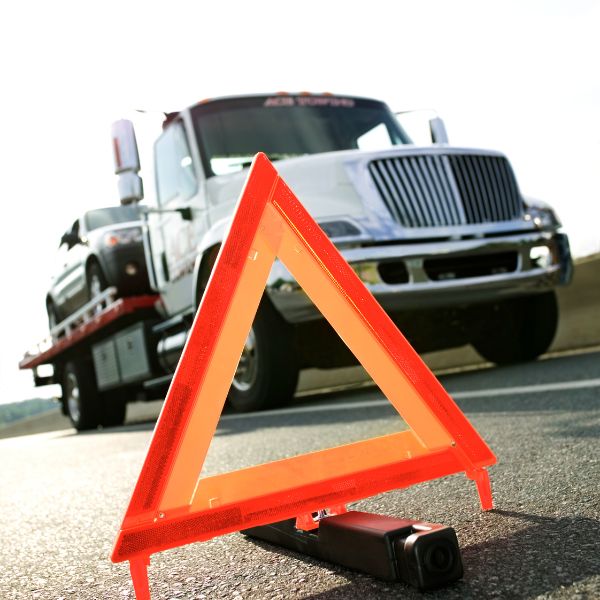
The Importance of Roadside Safety Kits: Be Ready for Anything
Roadside emergencies don’t send invitations. A flat tire, a dead battery, or even a sudden breakdown can derail your plans in the blink of an eye. While nobody expects these moments, being prepared for them can make all the difference. That’s where a roadside safety...
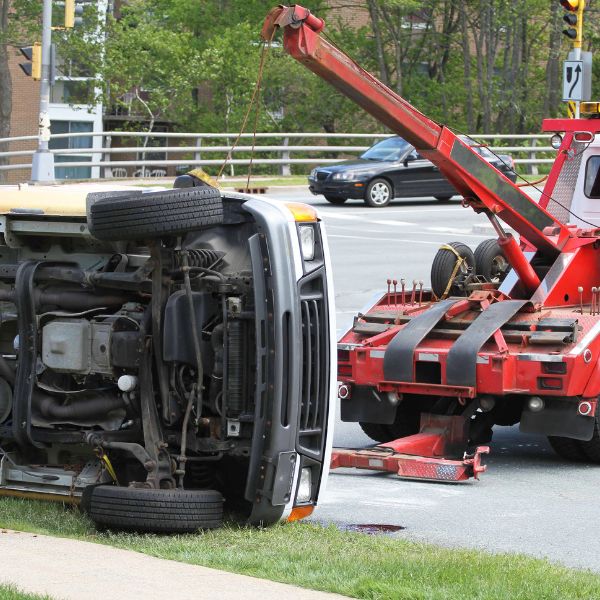
Avoiding Towing Nightmares: Tips for Stress-Free Towing Services
Few things are as disruptive as needing a tow. Whether it’s a flat tire, an overheated engine, or an accident that leaves your vehicle undriveable, these situations can turn a good day sour in seconds. However, towing doesn’t have to be a stressful ordeal. With the...
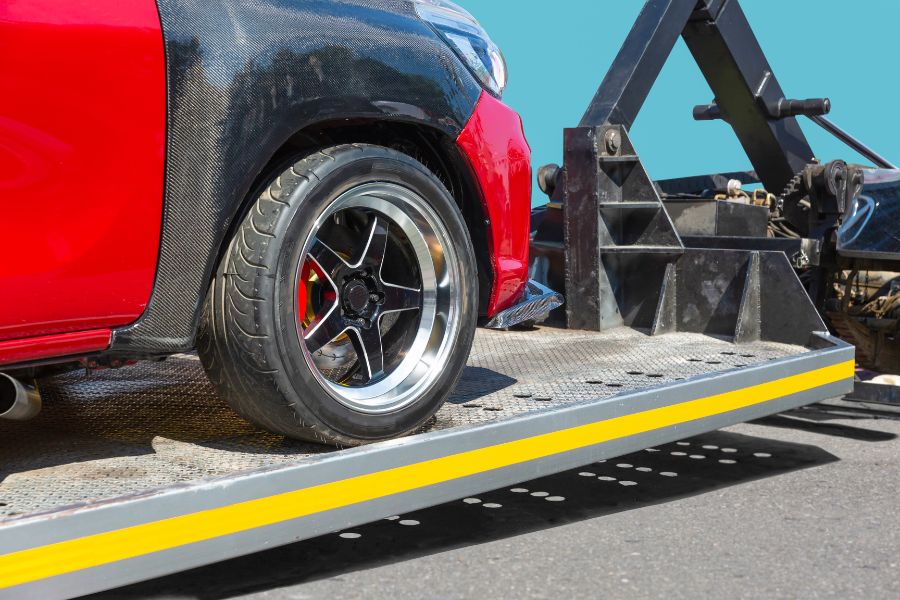
The Benefits of Flatbed Towing for Your Vehicle
Getting your car towed isn’t something anyone eagerly plans for, but when the situation arises, choosing the right towing method can make all the difference. Flatbed towing is the gold standard for vehicle transport, offering unparalleled safety, versatility, and...