

The Role of Towing Services in Roadside Safety and Accident Prevention
The Role of Towing Services in Roadside Safety and Accident Prevention
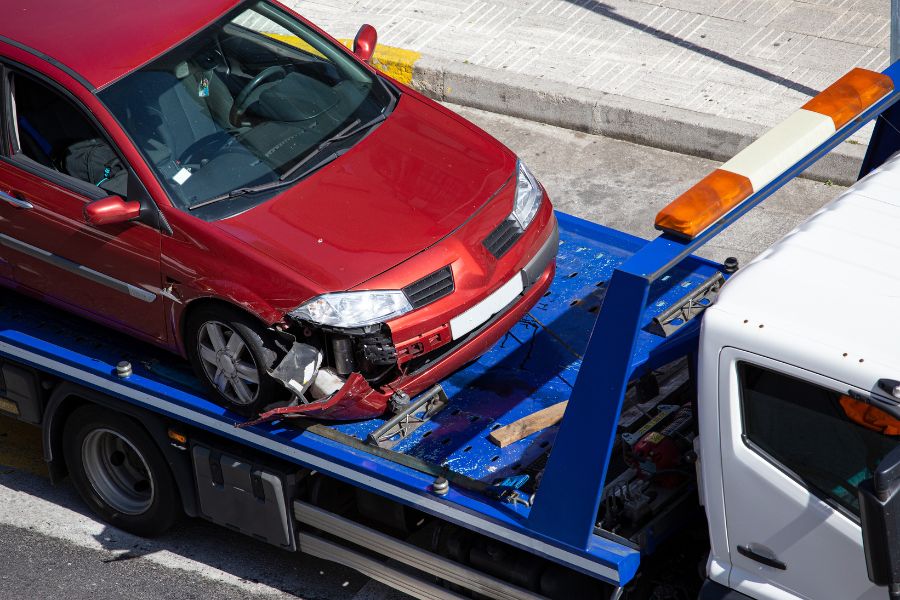
When you’re having a less-than-ideal moment on the road, towing services are your unsung heroes. They’re not just about dragging cars away; they’re crucial for maintaining safety and preventing accidents. With swift response times, they quickly clear accident scenes, reducing the chances of secondary incidents. Their collaboration with law enforcement and use of traffic control measures ensures a safer environment for all motorists. But have you ever wondered how these services manage hazardous situations or what goes on behind the scenes? There’s more to towing services than meets the eye, and it’s worth exploring further.
Importance of Quick Response
In roadside safety, a quick response can mean the difference between a minor inconvenience and a major hazard. When you encounter a breakdown or accident, the response time of towing services is crucial. Data shows that faster response times significantly reduce the risk of secondary accidents. Each minute of delay increases the likelihood of another vehicle becoming part of the incident. Therefore, efficient towing services prioritize rapid deployment to address these situations promptly.
For optimal safety measures, you should select towing services equipped with real-time tracking systems. These systems enhance response time by providing accurate location data, ensuring the tow truck reaches you as swiftly as possible. Additionally, having a predetermined plan with a reliable towing company can expedite the process. By having your information on file, they can quickly dispatch assistance.
Moreover, towing services should implement rigorous safety measures, such as reflective signage and proper lighting, to alert other motorists and minimize risks at the scene. Your role is to ensure these services are aware of your situation promptly and follow the instructions they provide for your safety. Quick response and effective safety measures collaboratively maximize roadside safety, keeping all parties secure.
Clearing Accident Scenes
Efficiently clearing accident scenes is crucial to restoring normal traffic flow and enhancing roadway safety. When you’re involved in managing accident scenes, you must prioritize speedy traffic control to minimize congestion and potential secondary collisions. Data from the National Highway Traffic Safety Administration highlights that prompt scene clearance can reduce secondary accidents by up to 20%. Towing services play a pivotal role in this process, quickly mobilizing to remove disabled vehicles and ensure that lanes are reopened promptly.
Your focus should also be on debris removal, as scattered vehicle parts and fluids pose significant hazards to other drivers. The Federal Highway Administration reports that debris-related incidents account for approximately 25,000 crashes annually. Towing professionals are equipped with the necessary tools and expertise to safely clear these obstructions, significantly reducing such risks. Moreover, they coordinate with law enforcement to facilitate the secure handling of damaged vehicles and hazardous materials.
Emergency Roadside Assistance
Effective emergency roadside assistance is essential for ensuring driver safety and minimizing disruption during vehicular breakdowns. When you experience a vehicle malfunction, having a reliable towing service with on call availability can make a significant difference. Data indicates that immediate assistance reduces the average wait time from 45 minutes to 20 minutes, significantly lowering the risk of accidents caused by stalled vehicles. This rapid response is critical in maintaining a smooth traffic flow and ensuring your safety.
Towing services employ professionals who have undergone rigorous training. Their professional training equips them with the necessary skills to safely manage various roadside emergencies, from flat tires to engine failures. These experts follow standardized protocols to quickly assess the situation and execute the most effective solutions, minimizing your time spent in a potentially hazardous environment.
Moreover, towing companies often use advanced technology and tools to enhance service quality. Their vehicles are equipped with GPS tracking to ensure precise location identification and efficient dispatching. When you call for assistance, these features contribute to faster response times, enhancing overall safety. In emergency situations, choosing a service with on call availability and professional training can significantly improve outcomes, ensuring both your safety and peace of mind.
Preventing Secondary Accidents
Rapid response and professional training from towing services don’t only aid in resolving immediate vehicle issues; they also play a vital role in preventing secondary accidents. When an accident occurs, the risk of secondary collisions increases due to scattered debris, distracted drivers, and sudden traffic flow changes. Towing services mitigate these risks by implementing effective traffic control measures. They quickly establish clear and visible boundaries around accident sites using cones, flares, and other signaling devices, ensuring that drivers receive ample warning to adjust speed and maintain safe distances.
Statistics show that 20% of all accidents are secondary, often stemming from inadequate traffic management at the initial site. By efficiently removing wreckage and restoring traffic flow, towing services significantly reduce these occurrences. Their ability to swiftly clear roads minimizes the time drivers spend in hazardous conditions. Additionally, trained personnel provide critical guidance to direct traffic away from the scene, further preventing collisions.
Incorporating data on traffic patterns and accident hotspots, towing services strategically position themselves to respond quickly. This proactive approach enhances their capability to prevent secondary accidents, contributing to overall road safety and saving lives. By prioritizing traffic control, towing services play an essential role in safeguarding drivers on the road.
Reducing Traffic Congestion
Towing services play a crucial role in reducing traffic congestion by swiftly removing disabled vehicles and clearing accident scenes. When you encounter stalled vehicles or accident sites, they can significantly disrupt traffic flow, contributing to extended delays. Towing operators act as frontline responders, efficiently addressing these obstructions and restoring normal traffic conditions. By utilizing advanced traffic management systems, towing companies can be dispatched promptly, ensuring minimal impact on roadways.
Data from the Federal Highway Administration indicates that nearly 25% of congestion is due to incidents, highlighting the importance of quick responses. Timely intervention can lead to significant congestion relief, minimizing the ripple effect on traffic flow. When towing services rapidly clear these blockages, they prevent bottlenecks and allow vehicles to move freely, reducing the overall travel time for commuters and freight carriers alike.
Moreover, towing services collaborate with law enforcement and transportation agencies to implement strategic traffic management plans. By coordinating efforts, they ensure efficient resource allocation, reducing the likelihood of secondary congestion. Investing in state-of-the-art equipment and training, towing operators enhance their capability to handle complex situations, ensuring that roadways remain as uncongested as possible, thereby contributing to a more efficient and safer transportation network.
Ensuring Motorist Safety
In the realm of roadside assistance, ensuring motorist safety is paramount, as towing services mitigate hazards and potential risks on the road. When you find yourself stranded, time is crucial. Towing services provide rapid emergency response, reducing the time you’re exposed to potential dangers. Studies show that quick road assistance can decrease accident rates by up to 30%, highlighting its critical role in maintaining safety.
Towing professionals are trained to assess and manage various roadside challenges efficiently. They utilize advanced equipment and technology to ensure that both you and your vehicle are out of harm’s way swiftly. GPS-enabled dispatch systems enhance response times, while safety protocols minimize risks during vehicle recovery operations. By prioritizing these factors, towing services significantly enhance your safety.
In addition to vehicle recovery, towing services often include roadside assistance options like jump-starts, tire changes, and fuel delivery. These services prevent you from engaging in potentially unsafe roadside repairs, which can lead to accidents. With a focus on safety and efficiency, towing services act as a critical safety net, ensuring that you’re not left vulnerable on the road. Always remember, quick and professional assistance is just a call away.
Handling Hazardous Situations
Navigating hazardous situations on the road requires immediate and informed action to prevent escalation. When confronted with incidents involving hazardous materials, your role becomes crucial. First, ensure you understand the nature of the hazard. Identifying the type of material—whether it’s flammable, corrosive, or toxic—guides your next steps. Use the Emergency Response Guidebook to assess the risk and determine the appropriate safety protocols.
It’s vital to establish a secure perimeter around the affected area. Keep a safe distance based on the material’s hazard class and ensure bystanders remain outside this zone. Wearing personal protective equipment (PPE) is non-negotiable; it shields you from potential exposure to harmful substances.
Communicate promptly with emergency services, providing them with detailed information about the hazard. This allows responders to arrive prepared and ensures a coordinated response. Documenting the situation, including photos and notes, supports future evaluations and potentially improves existing safety protocols.
Supporting Law Enforcement
Your readiness to handle hazardous situations directly supports law enforcement efforts on the road. By collaborating with police, you ensure that accident scenes are cleared quickly and efficiently, minimizing the risk to both officers and the public. Data suggests that timely towing can reduce secondary accidents by up to 20%, enhancing public safety significantly. Your role in rapidly removing debris or disabled vehicles means police can focus on maintaining order and investigating incidents without unnecessary delays.
In high-pressure situations, your collaboration with police becomes invaluable. Your ability to communicate effectively with law enforcement means you can adapt to changing conditions on the ground, whether it’s rerouting traffic or managing large-scale emergencies. With over 70% of roadside incidents involving towing services, your expertise in vehicle recovery is crucial for maintaining smooth traffic flow and reducing congestion-related risks.
Moreover, your comprehensive training in safety protocols ensures that you’re prepared for any scenario, providing a reliable extension of law enforcement’s capabilities. By maintaining up-to-date certifications and utilizing advanced equipment, you help bridge the gap between incident occurrence and resolution, thereby enhancing public safety and contributing to a more secure road environment.
Key Takeaways
- Quick response from towing services reduces secondary accidents and enhances roadside safety.
- Real-time tracking and GPS technology expedite towing service response times.
- Towing services coordinate with law enforcement to efficiently manage and clear accident scenes.
- Rigorous training and safety protocols prepare towing professionals for various roadside emergencies.
- Towing services provide essential roadside assistance, preventing unsafe self-repairs by drivers.
Frequently Asked Questions
How Do Towing Services Determine the Cost of Their Services?
When you call a towing service, they determine the cost using a pricing structure that considers distance, vehicle type, and service coverage. They often use data to gauge fuel costs and labor required. Additional factors like time of day or special equipment needed can influence pricing. They prioritize safety, ensuring you get fair and transparent rates. By understanding these elements, you can better anticipate and evaluate potential towing expenses.
What Qualifications Do Tow Truck Drivers Need?
Did you know that 60% of tow truck drivers undergo specialized training? To be qualified, you’ll need to meet specific training requirements and complete a certification process. Experience is crucial, and strong driving skills are a must. Most towing companies look for drivers with a commercial driver’s license (CDL) and clean driving record. Safety-focused training ensures you’re prepared for the unexpected, making roadside assistance both professional and reliable.
Are Towing Services Available 24/7 in All Areas?
You might wonder if towing services are available 24/7 in all areas. While most companies strive for complete service coverage, it’s not guaranteed everywhere. Urban areas usually have better response times due to higher demand and more resources. In contrast, rural areas might face longer waits. Check local providers for specific coverage details. Prioritize companies with strong safety records and efficient response times to ensure reliable assistance when needed.
Can Towing Companies Assist With Non-Accident Vehicle Issues Like Lockouts?
Yes, towing companies can assist with non-accident vehicle issues like lockouts. They provide lockout assistance, battery jump-starts, and fuel delivery during roadside emergencies. With a focus on safety, towing services operate with specialized tools and trained personnel to ensure efficient, damage-free solutions. Data shows that quick response times reduce stress and enhance safety for stranded drivers. So, when you’re locked out or facing another issue, a towing service is there to help.
How Do Towing Services Manage Communication During Inclement Weather?
When you’re dealing with towing services during adverse weather conditions, their communication strategies are crucial. They use advanced weather tracking systems to anticipate and respond effectively. Dispatchers maintain constant contact with tow operators via GPS and real-time communication tools, ensuring safety and efficiency. They prioritize clear, concise updates to adjust routes and timing, reducing risks. By leveraging data-driven insights, they ensure that you receive timely assistance, even in challenging weather scenarios.
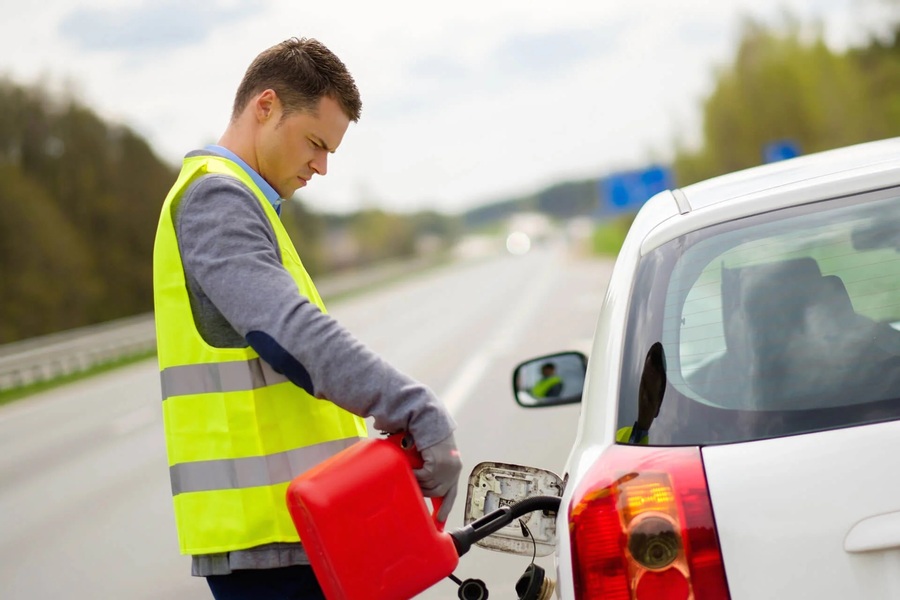
Fuel Delivery Services: What to Do When You Run Out of Gas
Running out of gas doesn’t discriminate—it can happen to anyone, from seasoned road warriors to casual weekend drivers. It’s that sinking feeling as your car sputters to a halt, and the gas gauge confirms your worst suspicion. But here’s the good news: it’s not the...
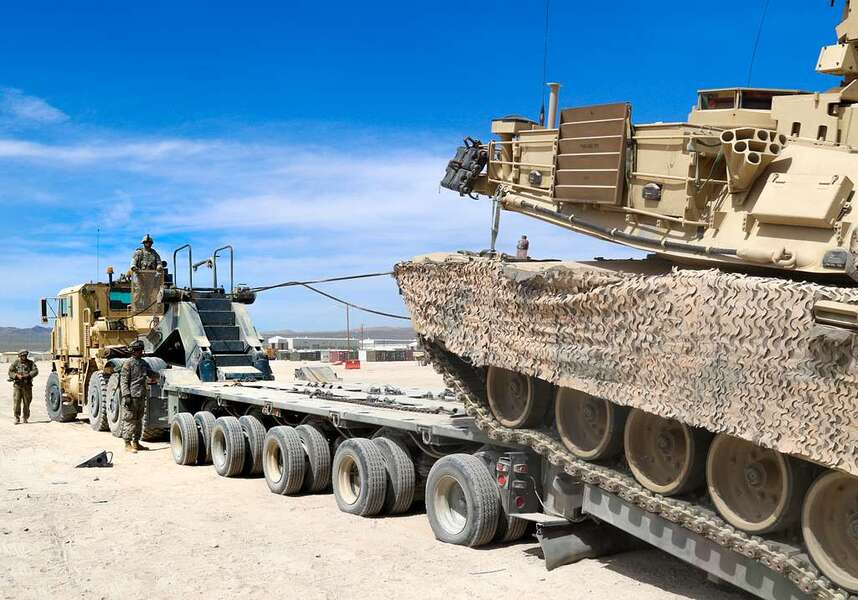
How Tow Truck Salt Lake Supports Local Law Enforcement
Behind every cleared accident scene, every recovered vehicle, and every restored traffic flow lies a team of professionals dedicated to public safety. While law enforcement officers handle the critical aspects of protection and investigation, Tow Truck Salt Lake steps...
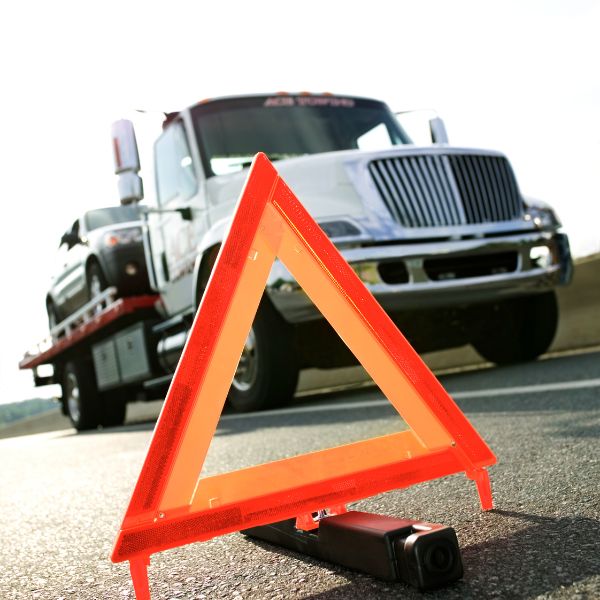
The Importance of Roadside Safety Kits: Be Ready for Anything
Roadside emergencies don’t send invitations. A flat tire, a dead battery, or even a sudden breakdown can derail your plans in the blink of an eye. While nobody expects these moments, being prepared for them can make all the difference. That’s where a roadside safety...
Avoiding Towing Nightmares: Tips for Stress-Free Towing Services
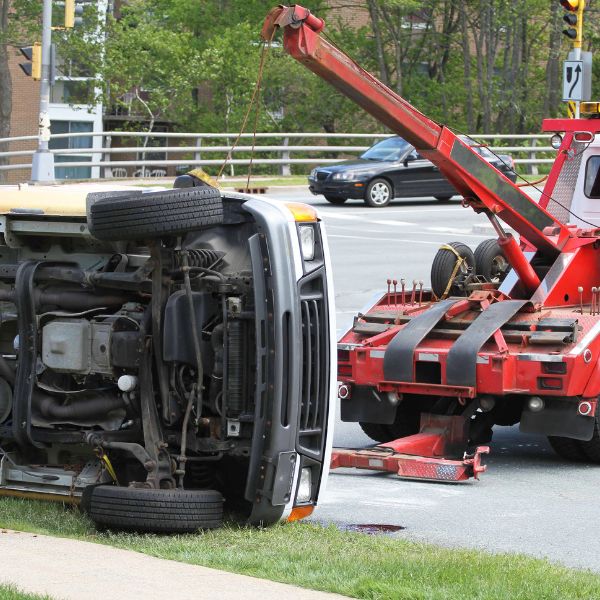
Few things are as disruptive as needing a tow. Whether it’s a flat tire, an overheated engine, or an accident that leaves your vehicle undriveable, these situations can turn a good day sour in seconds. However, towing doesn’t have to be a stressful ordeal. With the...
The Benefits of Flatbed Towing for Your Vehicle
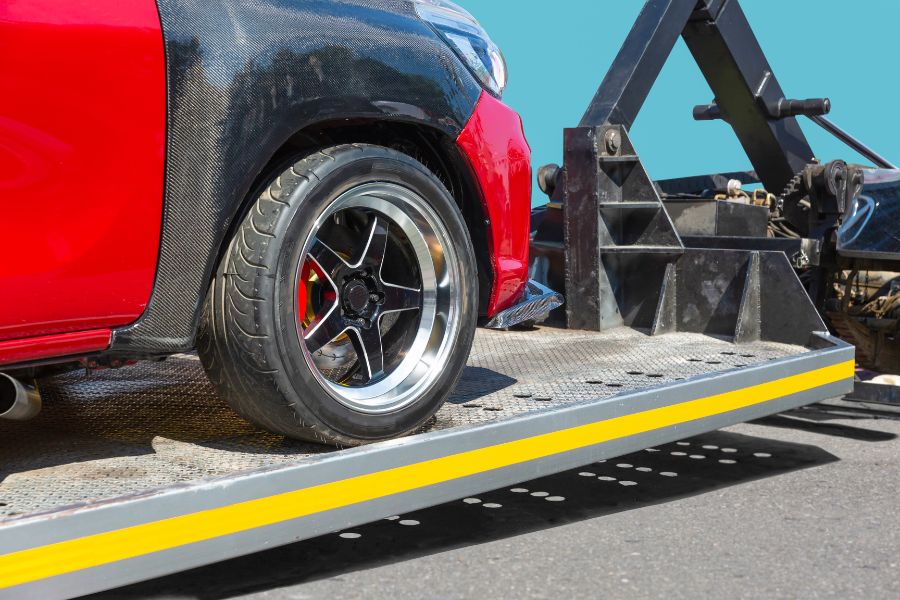
Getting your car towed isn’t something anyone eagerly plans for, but when the situation arises, choosing the right towing method can make all the difference. Flatbed towing is the gold standard for vehicle transport, offering unparalleled safety, versatility, and...