

How to Prepare Your Vehicle for Long Road Trips: Tips From Towing Experts
How to Prepare Your Vehicle for Long Road Trips: Tips From Towing Experts

Preparing your vehicle for a long road trip requires more than just fueling up. Towing experts emphasize the importance of thorough maintenance checks to ensure a smooth journey. You’ll want to inspect your tires for proper pressure and tread depth, as well as check your brake system to guarantee optimal performance. Don’t overlook testing your battery health and examining fluid levels, either. But that’s not all—there are more expert insights on keeping your journey trouble-free. Curious about the essential steps that could make or break your road trip experience? There’s much more to uncover.
Inspect Your Tires
Before embarking on a long road trip, a thorough tire inspection is crucial to ensure safety and performance on the road. Imagine cruising through scenic routes with the assurance that your tires can handle any adventure. Start by checking the tire pressure. Under-inflated tires can lead to poor fuel efficiency, while over-inflated ones may increase the risk of a blowout. Use a quality tire gauge to measure the pressure, ensuring it aligns with the manufacturer’s recommended levels, typically found on a sticker inside the driver’s door or in the owner’s manual.
Next, assess the tread depth. This is vital for maintaining grip, especially on wet or uneven surfaces. Place a penny head-first into the tread grooves; if you can see the top of Lincoln’s head, it’s time to consider new tires. Uneven tread wear can signal alignment issues or improper inflation, both of which need addressing before you hit the road.
Check Brake System
One critical aspect of preparing your vehicle for a long road trip is ensuring your brake system is fully functional. Imagine cruising down a scenic highway, the wind in your hair, when suddenly you need to make a quick stop. This is when the reliability of your brakes truly matters. Start by inspecting your brake pad thickness. Over time, pads wear down, and if they’re too thin, they won’t provide the necessary stopping power. A good rule of thumb is to replace them if they’re less than a quarter of an inch thick.
Next, turn your attention to rotor wear. Rotors can develop grooves and warping from prolonged use and heat. These defects can cause vibrations and noise, reducing the efficiency of your braking system. Run your fingers across the rotor’s surface for smoothness; any noticeable grooves or ridges suggest they might need resurfacing or replacement.
Don’t overlook the brake fluid, either. It should be clear and at the appropriate level. If it looks dark or cloudy, it’s time for a change. By prioritizing these checks, you’re not only ensuring a smooth drive but also safeguarding your journey from unexpected roadside stops.
Test Battery Health
As you ensure your vehicle’s brake system is in top shape, don’t forget the importance of checking your battery health. Imagine you’re halfway through your road trip, surrounded by scenic views, when your car suddenly refuses to start. It’s a nightmare scenario easily avoided with proper battery maintenance. Your battery is the heart of your vehicle’s electrical system, and neglecting it can lead to unexpected breakdowns.
Start with a visual inspection. Look for corroded terminals, which can hinder performance. Clean them with a mixture of baking soda and water if necessary. Next, utilize diagnostic tools to assess your battery’s health. A multimeter can measure voltage levels; a healthy battery should read around 12.6 volts when the engine is off. You can also invest in a battery tester, which will provide a more comprehensive analysis by checking cold-cranking amps and overall condition.
Keep an eye out for warning signs such as dim headlights or a slow engine crank. These are often indicators your battery’s nearing the end of its life. Proactive battery maintenance ensures your journey remains uninterrupted, letting you focus on the road ahead.
Examine Fluid Levels
Road-trip readiness isn’t complete without a thorough fluids check, ensuring your vehicle’s lifeblood is topped up and functioning optimally. As you prepare for your adventure, start by checking the coolant. This vital component regulates engine temperature, preventing overheating, particularly during those long summer drives. Pop the hood, locate the coolant reservoir, and ensure the level is between the “min” and “max” markers. Remember, it’s not just about levels; the coolant’s condition matters too. A visual inspection should reveal a vibrant color, free from rust or debris—signs it’s doing its job efficiently.
Next on your list is to monitor oil. The oil lubricates engine components, minimizes friction, and helps maintain the engine’s overall health. Use the dipstick to check the oil level, making sure it sits between the two marked indicators. But don’t just stop at quantity; quality is crucial. The oil should appear amber and free of particles. If it looks dark or gritty, an oil change might be in order before hitting the road.
Assess Engine Performance
Before embarking on your journey, evaluating your vehicle’s engine performance is crucial to ensure a smooth and trouble-free trip. Picture this: the open road stretches ahead, but your engine’s subtle sputter hints at potential trouble. Diagnosing issues early can prevent you from being stranded miles from help. Start by listening for unusual noises—clattering or knocking can indicate deeper problems. Check for any warning lights on the dashboard; they’re your vehicle’s way of waving a red flag.
Next, pop the hood and inspect the belts and hoses. Look for cracks or fraying, which can lead to breakdowns if ignored. Don’t overlook the battery—clean any corrosion from the terminals and ensure it’s holding a charge. Consider using an OBD-II scanner to read error codes. This tool can pinpoint trouble areas, helping you address them before they escalate.
To optimize efficiency, ensure your air filter is clean. A clogged filter restricts airflow, reducing engine performance and fuel economy. Also, verify that spark plugs are in good condition, as worn ones can cause misfires. By taking these proactive steps, you’ll enhance your engine’s performance, making your road trip both enjoyable and hassle-free.
Verify Lights and Signals
Ensuring visibility and communication on the road is paramount, and that’s where verifying your vehicle’s lights and signals comes into play. Imagine driving through a rainstorm or dense fog, where visibility is severely compromised. Without functioning lights, other drivers might not see you, increasing the risk of an accident. Before embarking on a long road trip, check that every bulb is in good working order by walking around your vehicle. Test headlights, brake lights, reverse lights, and turn signals to ensure they’re all operational and providing clear signal visibility.
You might think it’s a simple task, but ensuring light functionality can be the difference between a smooth journey and a hazardous one. Replace any dim or burnt-out bulbs immediately. It’s also wise to clean the lens covers, as dirt and grime can dull the intensity of your lights. Remember, it’s not just about your safety; it’s about ensuring other drivers can see and interpret your actions promptly. This small but crucial step can prevent mishaps and keep you on the road without unexpected interruptions. So, give those lights and signals the attention they deserve before hitting the open road.
Ensure Emergency Kit
An essential component of any long road trip is a well-stocked emergency kit. Imagine cruising down a scenic highway when suddenly, your car sputters to a stop. Without proper emergency supplies, you might face unnecessary stress and delays. To prevent such scenarios, your kit should include essentials like a first aid kit, flashlight, jumper cables, and tire repair tools. These items aren’t just for peace of mind; they’re your lifeline until help arrives.
Consider the towing experts who emphasize the importance of having roadside assistance contact information readily available. It’s not just about having the number; ensure you’ve got a mobile charger to keep your phone powered. In an emergency, time is critical, and immediate access to professional help can make all the difference.
Unforeseen events like severe weather can leave you stranded for hours. So, pack extra blankets, water, and non-perishable snacks. These emergency supplies will keep you safe and comfortable while waiting for help. Don’t forget a reflective vest and road flares to alert other drivers of your situation, enhancing safety on the roadside. By preparing your emergency kit, you’re investing in a smoother, safer journey.
Review Towing Equipment
Many road trip enthusiasts often overlook the importance of reviewing their towing equipment before hitting the open road. Yet, imagine cruising along scenic highways only to encounter a hitch-related mishap. To avoid this, inspect your hitch installation. Ensure it’s secure and properly aligned, as an improperly installed hitch can lead to dangerous situations. Check for any visible wear or rust that might compromise its effectiveness.
Next, consider weight distribution. It’s crucial for stability and control. Uneven weight can cause swaying, making your drive less safe. Adjust your load, keeping heavier items closer to the vehicle’s center. Utilize weight distribution systems if necessary, as these can significantly enhance towing performance and safety by evening out the load across your vehicle and trailer axles.
Towing experts emphasize that regular maintenance of your towing gear can save you from potential headaches down the road. It’s not just about hooking up and heading out; it’s about ensuring everything is in top condition. Take a moment to familiarize yourself with your specific equipment’s requirements. These small steps in reviewing and maintaining your towing setup can make a big difference in your journey’s success.
Plan Route and Stops
Mapping out your route and planned stops is essential for a smooth and enjoyable road trip experience. You don’t want to find yourself stranded without a plan or, worse, without the proper packing essentials. Start by selecting reliable navigation tools. Whether you prefer a high-tech GPS device or a dependable smartphone app, ensure it’s updated with the latest maps and traffic information. This foresight saves time and helps you steer clear of unexpected detours.
Next, incorporate strategic stops. Research rest areas, fuel stations, and eateries along your route. Planning these intervals helps maintain your energy levels and keeps your vehicle in top condition. It’s wise to schedule stops every two to three hours to stretch, refuel, and refresh. Consider also the locations of auto repair shops in case of emergencies; towing experts advise it’s better to be prepared than caught off guard.
Lastly, make a note of scenic spots or local attractions. These can transform a monotonous drive into a memorable adventure, offering unique photo opportunities and enriching your travel narrative. With careful route planning and mindful stops, your road trip becomes not just a journey, but an experience.
Key Takeaways
- Inspect towing equipment for secure hitch alignment and any signs of wear or rust.
- Ensure proper weight distribution to maintain vehicle stability and control during the trip.
- Check tire pressure and tread depth to ensure safe and efficient travel.
- Test battery health using a multimeter to prevent unexpected issues.
- Monitor fluid levels, including coolant and oil, for optimal engine performance.
Frequently Asked Questions
How Can I Improve My Vehicle’s Fuel Efficiency on Long Road Trips?
Did you know that properly inflated tires can improve fuel efficiency by up to 3%? When you’re gearing up for a long road trip, start with checking your tire pressure. It’s a small step with big savings. Then, go through your maintenance checklist to ensure your vehicle’s in top shape. Regular oil changes and air filter replacements can further enhance efficiency. These steps keep your car running smoothly, saving fuel and money on your journey.
What Should I Pack for In-Car Entertainment During Long Drives?
When you’re planning for long drives, you should consider diverse entertainment options to keep everyone engaged. Pack audiobooks, playlists, and podcasts for auditory delight. For visual entertainment, load up a tablet with movies and games. Don’t forget a well-thought snack selection to keep energy levels high. Choose healthy snacks like nuts and fruits, and indulge in some treats for variety. This mix ensures a journey that’s both entertaining and satisfying for everyone.
How Do I Maintain Personal Comfort on a Long Road Trip?
Imagine a long-distance runner preparing for a marathon; your car is your body, and your seat cushions are the supportive running shoes. Ensuring ergonomic support helps maintain comfort. Don’t underestimate the power of climate control—it’s like adjusting your pace to the weather. Keep snacks handy, just like energy gels for runners, to fuel your journey. These elements ensure you stay comfortable and energized, turning your road trip into a smooth marathon.
What Are Some Tips for Staying Alert and Focused While Driving Long Distances?
To stay alert and focused on long drives, prioritize healthy snacks like nuts and fruit to keep your energy up without sugar crashes. Schedule regular breaks every couple of hours to stretch and clear your mind. During these breaks, do some light exercises or take a short walk. Adjust your seat for comfort and ensure good posture. Engage with an audiobook or podcast to keep your mind stimulated without distraction.
How Can I Keep My Pets Comfortable and Safe During a Road Trip?
Imagine your furry friend restless in the backseat—will they be comfortable and safe? Pet safety starts with ensuring a secure carrier or harness. But there’s more! Comfort tips include frequent stops for stretching and hydration. Keep the car well-ventilated and maintain a moderate temperature. Bring familiar items like toys or blankets. Your pet’s journey doesn’t have to be stressful; create a calm environment, and they’ll enjoy the ride just as much as you do.

Fuel Delivery Services: What to Do When You Run Out of Gas
Running out of gas doesn’t discriminate—it can happen to anyone, from seasoned road warriors to casual weekend drivers. It’s that sinking feeling as your car sputters to a halt, and the gas gauge confirms your worst suspicion. But here’s the good news: it’s not the...

How Tow Truck Salt Lake Supports Local Law Enforcement
Behind every cleared accident scene, every recovered vehicle, and every restored traffic flow lies a team of professionals dedicated to public safety. While law enforcement officers handle the critical aspects of protection and investigation, Tow Truck Salt Lake steps...
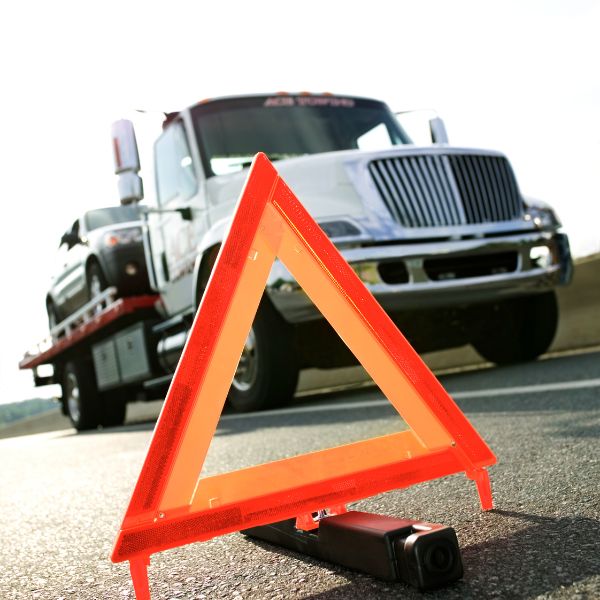
The Importance of Roadside Safety Kits: Be Ready for Anything
Roadside emergencies don’t send invitations. A flat tire, a dead battery, or even a sudden breakdown can derail your plans in the blink of an eye. While nobody expects these moments, being prepared for them can make all the difference. That’s where a roadside safety...
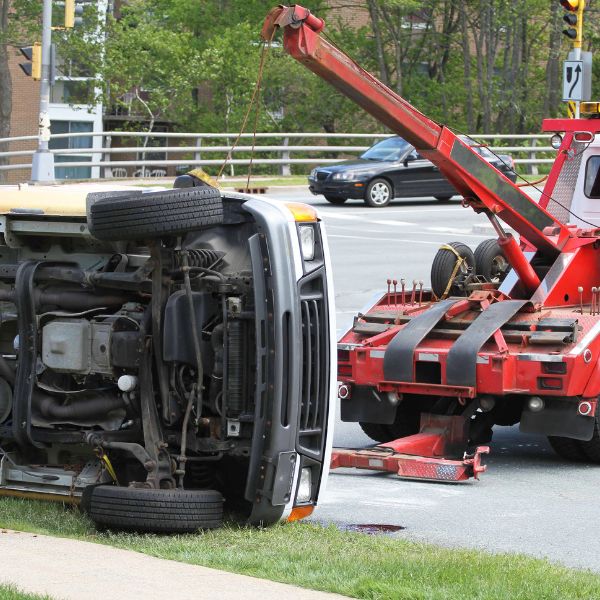
Avoiding Towing Nightmares: Tips for Stress-Free Towing Services
Few things are as disruptive as needing a tow. Whether it’s a flat tire, an overheated engine, or an accident that leaves your vehicle undriveable, these situations can turn a good day sour in seconds. However, towing doesn’t have to be a stressful ordeal. With the...
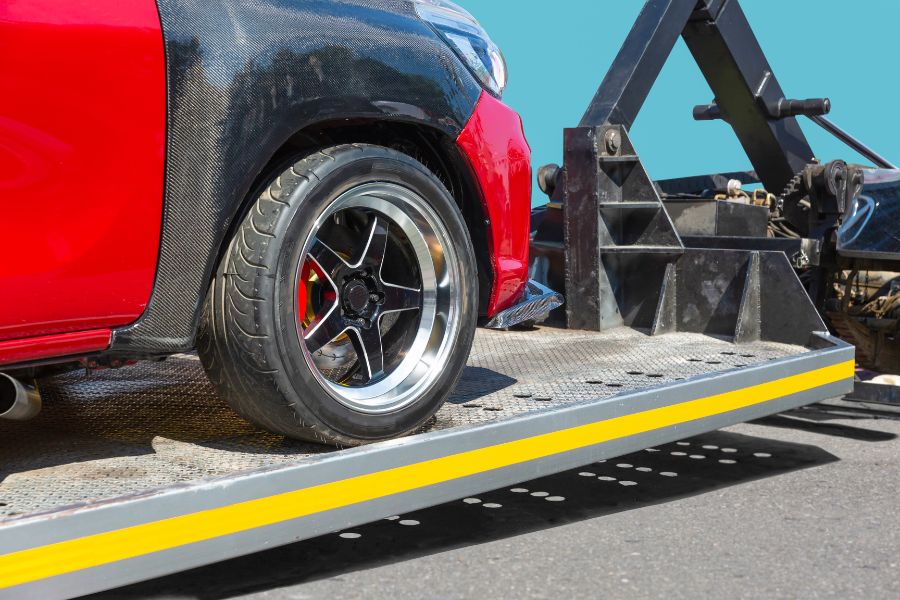
The Benefits of Flatbed Towing for Your Vehicle
Getting your car towed isn’t something anyone eagerly plans for, but when the situation arises, choosing the right towing method can make all the difference. Flatbed towing is the gold standard for vehicle transport, offering unparalleled safety, versatility, and...